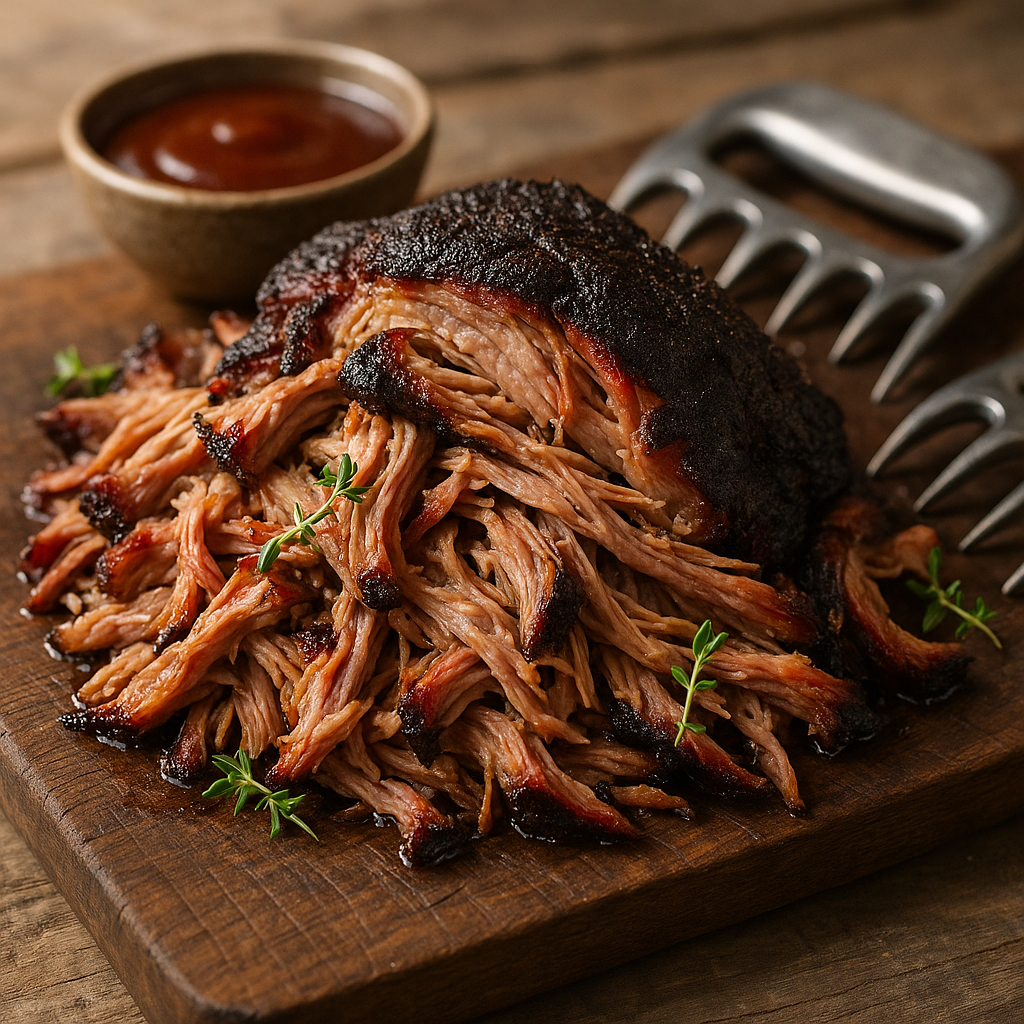
The aroma alone is enough to make your mouth water. That unmistakable scent of sweet, smoky, and savory notes wafting from a perfectly cooked pork shoulder. For many, smoked pulled pork isn't just a meal; it's a culinary experience, a testament to patience and a mastery of technique. If you've ever savored the incredible tenderness and rich flavor of barbecue joint pulled pork and wondered, "How do they do that?" you're not alone. The consistency, the incredible bark, the fall-apart meat – it all seems like a secret guarded by pit masters.
My own journey into the world of smoking started with that exact goal: to consistently create delicious pulled pork at home. After countless hours of trial and error, I uncovered the fundamental principles that transform a simple cut of meat into a masterpiece. While many factors contribute to success, three pillars stand out above the rest: the right rubs, effective binders, and precise temperature control. Master these, and you'll be well on your way to earning your own pit master badge. In this guide, we'll peel back the layers of mystery and show you how to achieve mouthwatering smoked pulled pork every single time.
The Foundation: Selecting Your Pork Shoulder
Before you even think about rubs or fire, the journey to exceptional smoked pulled pork begins with selecting the right cut of meat: the pork shoulder, often referred to as a "pork butt" or "Boston butt." Despite the name, it actually comes from the upper part of the pig's front leg. This cut is ideal for slow smoking due to its generous marbling of fat and connective tissue, which, when cooked low and slow, renders down into succulent, tender meat.
When sourcing your pork shoulder, you have a few options: your local grocery store, a specialty butcher, or even online retailers. While boneless options exist and will certainly work, I highly recommend seeking out a bone-in pork shoulder. The bone acts as a natural heat conductor, helps to distribute moisture, and imparts an additional layer of rich flavor to the meat as it slowly cooks. If a bone-in cut isn't available, a boneless one can still produce fantastic results, though you might consider tying it with butcher's twine to help it maintain its shape and moisture during the long cook.
Aim for a pork shoulder in the 6-8 pound range. This size is manageable for most home smokers and provides ample meat for a family dinner, plus delicious leftovers for sandwiches, tacos, or salads throughout the week. A good rule of thumb is to calculate approximately 1 pound of uncooked pork shoulder per person to ensure everyone gets their fill.
Finally, a quick note on preparation: a little trimming goes a long way. While the fat is essential for moisture and flavor, you'll want to trim off any excessively thick, hard fat caps that won't render down effectively. Leave a good quarter-inch layer of soft, pliable fat on the surface; this will contribute to that desired juicy finish.
Crafting the Perfect Bark: The Art of Rubs and Binders
The delicious, crusty exterior of smoked pulled pork is known as the "bark," and it's a hallmark of expertly smoked meat. Achieving that flavorful bark is a two-pronged attack involving the perfect spice rub and an effective binding agent.
The Magic of a Great BBQ Rub
A barbecue rub is more than just seasoning; it's a carefully balanced blend of spices and herbs applied to the surface of the meat before smoking. Its role is multifaceted:
- Flavor Infusion: The spices penetrate the surface, creating a delicious flavor profile that complements the smoky notes.
- Bark Formation: The sugars and spices in the rub caramelize and darken during the long cook, forming that coveted, flavorful bark.
- Tenderization: Some ingredients, particularly salt, interact with the meat's proteins, helping to break them down and contribute to tenderness.
While personal preference reigns supreme, many successful rubs share common elements. A classic, minimalist approach is a 1:1 ratio of kosher salt and fresh ground black pepper, often referred to as a "Dalmatian rub." This lets the pork and smoke flavor shine through. For those who enjoy a more complex profile, a popular blend uses a 2:1:1:1 ratio of brown sugar, paprika, kosher salt, and fresh ground black pepper. The brown sugar aids in caramelization, producing a sweeter, darker bark, while paprika adds color and a mild, earthy flavor.
Don't be afraid to experiment! Consider adding garlic powder, onion powder, cayenne pepper for a kick, or even a touch of chili powder. The key is balance – you want to enhance the pork, not overpower it. Whether you opt for a tried-and-true recipe, a high-quality commercial rub, or your own custom blend, ensure it’s applied generously and evenly over the entire surface of the pork shoulder.
Binders: The Secret to Adherence
A binder is an unsung hero in the world of consistent & juicy pulled pork. Applied to the meat's surface before the rub, its primary job is simple yet crucial: to help the rub stick effectively. Without a binder, much of your precious rub could simply fall off, especially when handling the meat.
There are many schools of thought on binders, and often, personal preference dictates the choice. Some pit masters argue that the natural moisture on the meat's surface is sufficient, while others swear by various liquids. Popular choices include:
- Mustard: Yellow mustard is a common choice. Don't worry, you won't taste it in the final product! Its acidity helps break down some surface proteins, and its viscosity provides an excellent tacky surface for the rub to adhere to.
- Oil: Olive oil, avocado oil, or even a neutral vegetable oil can work wonderfully. My preference often leans towards garlic-infused olive oil or avocado oil. Oil helps the rub adhere and can contribute to a slightly crispier bark.
To apply, simply slather a thin, even layer of your chosen binder over every surface of the pork shoulder. Use your hands to really work it in. Once coated, liberally sprinkle your rub over the entire surface, gently patting it in to create an even layer. Flip the meat and repeat the process on the other side. This critical step ensures maximum flavor and the development of that irresistible bark.
Mastering the Heat: Temperature Control for Tender Perfection
The art of smoking pulled pork truly lies in understanding and controlling your heat. This is where the phrase "low and slow" becomes gospel, transforming tough connective tissues into melt-in-your-mouth tenderness.
The "Low and Slow" Philosophy
For smoked pulled pork, consistency is key. You'll want to maintain a smoker temperature between 225°F and 250°F. Both temperatures will yield fantastic results, but there are subtle differences:
- 225°F: This lower temperature generally results in a slightly longer cook time but maximizes moisture retention. It gives the fat and connective tissues more time to slowly render, leading to incredibly juicy results.
- 250°F: This slightly higher temperature can shave a few hours off the total cook time. While it might lead to a tiny bit more moisture loss, for many, the trade-off for a quicker cook is acceptable, and the pork will still be exceptionally tender.
The science behind "low and slow" is fascinating. At these lower temperatures, the collagen (a tough connective tissue) in the pork slowly breaks down into gelatin, which makes the meat incredibly tender and juicy. The fat also renders gradually, basting the meat from within. Rushing the process with high heat will result in dry, tough meat, as the collagen won't have enough time to convert.
Whichever temperature you choose, the most important aspect is consistency. Fluctuations can lead to uneven cooking and impact the final texture. Investing in a good quality wireless thermometer for your smoker grate and meat is invaluable for monitoring these critical temperatures.
Hitting the Target: Internal Temperature and The Stall
Unlike cooking a steak, where you aim for a specific doneness, smoking pulled pork is all about cooking to a target internal temperature – and then some. The ultimate goal is not just a number, but "probe tenderness."
As your pork shoulder cooks, its internal temperature will steadily rise. However, usually around 150-170°F, you'll encounter a phenomenon known as "the stall." This is when the internal temperature of the meat appears to plateau or even drop for several hours, despite your smoker maintaining a consistent temperature. The stall is caused by evaporative cooling as moisture from the meat's surface evaporates, much like sweat cooling your body. Patience is paramount here; resist the urge to crank up the heat, as this will dry out your pork.
After navigating the stall, the internal temperature will begin to rise again. You're aiming for a final internal temperature between 195°F and 205°F. However, the true indicator of doneness for pulled pork is its texture. The meat should be "probe tender," meaning an instant-read thermometer or a skewer can be inserted into the thickest part of the meat with very little resistance, much like pushing it into warm butter. If it feels tough or resists, it needs more time.
Beyond the Smoke: Rest, Pull, and Serve
You've navigated the smoke, mastered the stall, and achieved probe tenderness. Now for the final, crucial steps that elevate your smoked pulled pork from great to unforgettable.
The Critical Rest Period
Just like a perfectly cooked steak, smoked pulled pork absolutely demands a rest. Immediately after removing the pork shoulder from the smoker, wrap it tightly in aluminum foil, or even better, butcher paper, and then place it in an insulated cooler (without ice) or a warm oven (turned off). Let it rest for a minimum of 1 to 2 hours, and even up to 4 hours. This rest period allows the internal temperature to equalize, the meat fibers to relax, and perhaps most importantly, for the flavorful juices to redistribute throughout the meat. Skipping this step will result in a drier, less tender product.
The Glorious Pull
Once rested, it's time for the payoff: pulling the pork. Don your heat-resistant gloves, grab two forks, or better yet, a pair of meat claws, and get to work. The meat should practically fall apart with minimal effort. Discard any large pieces of unrendered fat or bone. As you pull, you can opt to mix in some of the rendered juices that collected in the foil or pan during the rest, along with a splash of your favorite BBQ sauce. This infuses even more moisture and flavor into every strand.
Your mouthwatering smoked pulled pork is incredibly versatile. Serve it piled high on a bun with coleslaw, tucked into tacos, as a topping for nachos or baked potatoes, or simply on its own with a side of your favorite BBQ sauce. The possibilities are endless!
Conclusion
Making incredible smoked pulled pork at home is not a mystical art reserved for seasoned pit masters. It's a journey of understanding a few core principles and applying them with patience and attention. From selecting the right pork shoulder and crafting the perfect rub and binder combination, to mastering the "low and slow" smoking temperatures and recognizing the importance of the rest, each step plays a vital role. Embrace the process, trust your thermometer, and soon you'll be consistently turning out tender, juicy, and flavorful smoked pulled pork that will have your family and friends wondering about your secret. Happy smoking!
