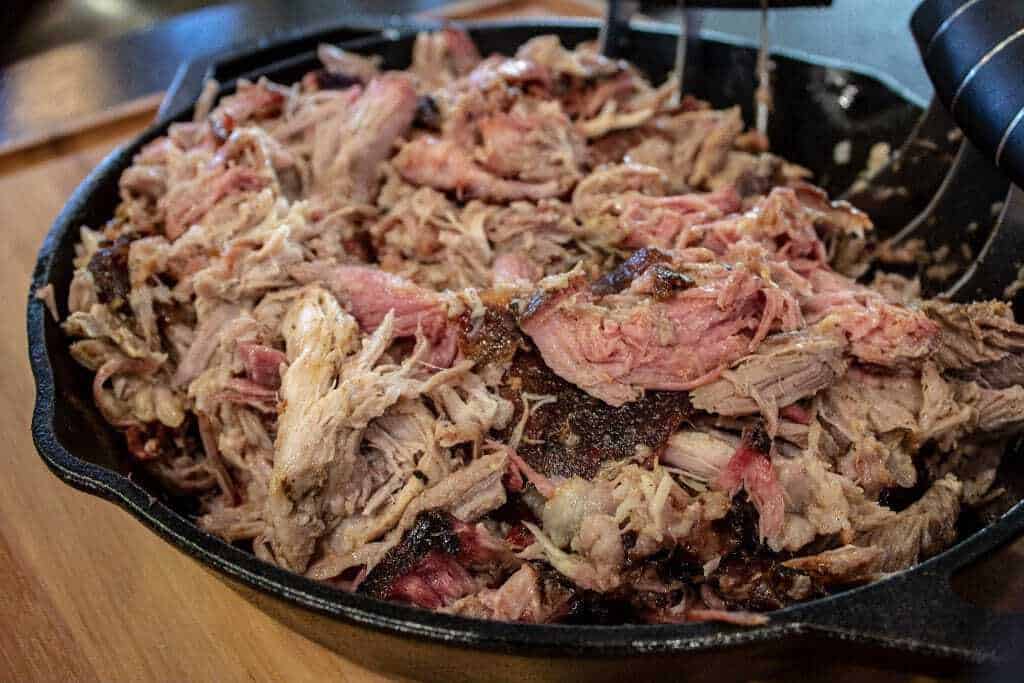
Have you ever savored that melt-in-your-mouth, smoky perfection of restaurant-quality smoked pulled pork and wondered if you could ever achieve it at home? For many, the idea of replicating that deliciousness can seem daunting, a culinary Everest reserved for seasoned pitmasters. But what if we told you that mastering succulent, tender smoked pulled pork in your own backyard is not only achievable but immensely rewarding?
Like many aspiring BBQ enthusiasts, I was once captivated by the consistent, incredible flavor coming from local smokehouses. The dream of producing that same juicy, flavorful pulled pork for family and friends became my mission. Through countless hours of trial, error, and a deep dive into the art of low and slow cooking, I've honed a process that transforms a humble cut of pork into a masterpiece. And now, I'm thrilled to share that journey and the steps to unlock your inner pitmaster. Get ready to impress with your own homemade smoked pulled pork!
Choosing Your Canvas: Selecting the Perfect Pork Shoulder
The foundation of any great smoked pulled pork begins with the right cut of meat. For this endeavor, we're focusing on the pork shoulder, often referred to as a "pork butt" or "Boston butt." Despite its name, the pork butt isn't from the rear of the pig; it's a cut from the upper part of the front shoulder, known for its rich marbling and connective tissue that breaks down beautifully during a long, slow cook.
Bone-In vs. Boneless: A Flavorful Decision
- Bone-In: This is generally the preferred choice for many pitmasters, and for good reason. The bone acts as a natural heat conductor, helping the meat cook more evenly, and contributes additional moisture and flavor to the surrounding meat as it slowly renders. The collagen around the bone also breaks down, adding to the richness.
- Boneless: While bone-in is ideal, a boneless pork shoulder will still yield fantastic results if that's all you can find. A pro tip for boneless cuts is to tie them with butcher's twine. This helps the meat hold its shape, cook more uniformly, and retain moisture throughout the long smoking process.
Size Matters: Finding the Right Weight
For most home cooks, a pork shoulder in the 6-8 pound range is perfect. This size provides enough meat for a generous family meal and often leaves delicious leftovers for salads, sandwiches, or tacos throughout the week. A good rule of thumb to estimate yield is to plan for approximately 1 pound of uncooked pork shoulder per person, which accounts for shrinkage and bone weight.
Where to Source Your Pork Shoulder
You have a few excellent options when it comes to purchasing your pork shoulder:
- Online Retailers: Specialized online meat shops can offer high-quality cuts, sometimes even heritage breeds, delivered right to your door.
- Local Butcher or Farmers Market: This is often the best choice. A skilled butcher can help you select the freshest cut, offer advice, and sometimes even pre-trim it for you. You might also find locally raised, higher-quality pork.
- Grocery Store: Most major grocery stores carry pork shoulders, making them a convenient option. Look for cuts with good marbling and a nice fat cap.
Trimming for Success
Before seasoning, a little trimming is in order. You want to remove any excessively thick, hard fat that won't render down well during cooking, as this can become rubbery. However, don't go overboard! A good amount of the fat cap is your friend. It's packed with flavor, helps keep the meat incredibly juicy, and contributes to the coveted "bark" formation. Aim to leave about a 1/4 inch layer of fat.
The Flavor Foundation: Rubs and Binders for Unforgettable Smoked Pulled Pork
Once your pork shoulder is prepped, it's time to build that incredible flavor. This involves two critical components: the binding agent and the spice rub. Together, they create the mouthwatering bark and infuse the meat with a symphony of tastes that truly elevate your smoked pulled pork.
The Power of the Rub
The spice rub is more than just seasoning; it's a flavor enhancer, a bark builder, and a tenderizer. As the pork cooks low and slow, the rub interacts with the meat's surface, creating that dark, crusty, and intensely flavorful "bark" that BBQ aficionados adore. While countless proprietary rubs exist, crafting your own allows for personalization.
Here are some popular rub options to inspire your creation:
- Classic Simplicity: A timeless and effective rub often relies on equal parts kosher salt and freshly ground black pepper. This minimalist approach allows the natural pork and smoke flavors to shine.
- Sweet & Savory Standard: For a more complex and traditional BBQ flavor, try a blend with a ratio like 2 parts brown sugar to 1 part paprika, 1 part kosher salt, and 1 part freshly ground black pepper. For added depth, consider incorporating garlic powder, onion powder, and a pinch of cayenne for a subtle kick.
The beauty is in experimentation. Adjust ratios to suit your palate – more sugar for a sweeter bark, more chili powder for heat, or extra herbs for aroma.
The Role of a Binding Agent
A binding agent is applied to the surface of the meat before the rub. Its primary purpose is to help the spices adhere evenly and form a robust bark. Beyond adhesion, some binders contribute their own subtle layer of flavor and moisture.
Common binding agents include:
- Mustard: Yellow mustard is a classic choice. Don't worry, you won't taste a strong mustard flavor in the end product; its tang simply helps tenderize and adheres the rub beautifully.
- Oils: Light oils like garlic-infused olive oil or avocado oil are excellent alternatives. They provide a thin, even layer for the rub to stick to and contribute healthy fats without overpowering the flavor. Some purists even argue that the natural moisture of the meat is sufficient, but a binder certainly helps ensure full coverage.
To apply, simply pour a small amount of your chosen binder onto the pork shoulder and use your hands to rub it evenly over the entire surface. Don't be shy; ensure every inch is lightly coated. Immediately follow with a generous dusting of your chosen rub, patting it gently to ensure it sticks. Flip the meat and repeat the process on the other side. This critical step sets the stage for a truly flavorful bark. For more in-depth exploration of how these elements work together, you might find valuable insights in our article on The Secret to Mouthwatering Smoked Pulled Pork: Rubs, Binders & Temp.
Low and Slow Perfection: Smoking Your Pulled Pork
With your pork shoulder prepped and seasoned, it’s time for the magic to happen in the smoker. The key to fall-apart smoked pulled pork is the mantra: "smoke it low, smoke it slow." This patient cooking method allows the connective tissues to break down into gelatin, resulting in that incredibly tender texture.
Optimal Smoking Temperatures
Most pitmasters agree that a temperature range of 225°F to 250°F is ideal for smoking pork shoulder. While 225°F will yield maximum moisture retention and tenderness over a longer period, 250°F can shave a few hours off the cooking time without a significant sacrifice in quality, especially for beginners. The consistency of your smoker's temperature is more important than hitting an exact degree, so ensure your smoker is stable and holding steady before introducing the meat.
Choosing Your Wood
The type of wood you use will greatly influence the final smoke flavor. For pork, popular choices include:
- Apple & Cherry: Offer a milder, sweeter, and fruity smoke flavor that pairs beautifully with pork.
- Hickory & Pecan: Provide a stronger, classic BBQ smoke profile. Use sparingly if you prefer a less intense smoke.
Experiment to find your favorite combination! A blend of fruitwoods and a touch of hickory is often a winning strategy.
Monitoring and The Dreaded Stall
Investing in a good quality leave-in meat thermometer is non-negotiable. This allows you to monitor the internal temperature without constantly opening the smoker, which causes temperature fluctuations. You'll notice that the internal temperature will rise steadily, then hit a plateau – this is known as "the stall."
The stall typically occurs when the internal temperature of the pork reaches 150-170°F. It's caused by evaporative cooling as moisture from the meat evaporates from the surface, cooling the meat. Don't panic and don't raise the temperature drastically! You have a few options:
- Power Through: Simply wait it out. It can last for several hours, but the temperature will eventually start rising again.
- Wrap: Many choose to wrap the pork in butcher paper or aluminum foil once it hits the stall. This traps moisture and helps push through the stall faster. It's often referred to as the "Texas Crutch." If you wrap, you'll still get a delicious result, though some argue it slightly softens the bark.
Continue cooking until the internal temperature reaches between 195°F and 205°F. However, the ultimate indicator of doneness for pulled pork is not just temperature, but feel. When probed with your thermometer, it should slide in with very little resistance, feeling like "butter." This signifies that the collagen has fully broken down, making the meat incredibly tender and easy to pull. For more detailed insights into maintaining consistency and achieving perfect results, be sure to check out our guide: Smoke It Right: Consistent & Juicy Pulled Pork Every Time.
The Critical Rest
Once your pork shoulder reaches its target temperature and probes like butter, it's crucial to resist the urge to pull it immediately. Remove it from the smoker (if you wrapped it, keep it wrapped) and let it rest on your counter for at least an hour, or even two. You can place it in a cooler, wrapped in a towel, to maintain warmth for longer. This resting period allows the muscle fibers to relax and reabsorb all those incredible juices, ensuring your smoked pulled pork is as moist and flavorful as possible.
The Grand Finale: Pulling and Serving Your Masterpiece
After the long wait, the moment of truth has arrived! Your pork shoulder has rested, and now it's time to transform it into delectable smoked pulled pork.
Shredding Your Creation
Carefully unwrap the pork shoulder. You'll notice the fat cap has rendered down significantly, and any remaining large pieces of fat or the bone will easily pull away. Using two large forks or specialized "bear claws," gently shred the meat. It should practically fall apart with minimal effort. As you pull, discard any small, unrendered bits of fat or connective tissue you encounter.
Saucing and Serving Suggestions
While some prefer their pulled pork unadorned to truly appreciate the smoky flavor and rub, a good BBQ sauce can be the perfect complement. You can toss the shredded pork with your favorite BBQ sauce, or serve it on the side, allowing guests to customize. A pro tip: incorporate some of the rendered juices from the wrapping or the pan back into the pulled pork. This adds incredible moisture and flavor, preventing it from drying out.
The versatility of smoked pulled pork is endless:
- Classic Sandwiches: Piled high on a soft bun with a dollop of coleslaw.
- Tacos or Burritos: A fantastic filling with your favorite toppings.
- Salads: Add a smoky protein boost to your greens.
- Loaded Fries or Nachos: Take your comfort food to the next level.
Storage for Leftovers
Properly stored, leftover smoked pulled pork can last 3-4 days in the refrigerator or up to 3 months in the freezer. Store it in airtight containers, ideally with a little extra BBQ sauce or its own juices to maintain moisture when reheating.
Congratulations, home pitmaster! You've successfully navigated the journey to creating incredible smoked pulled pork. What once seemed like a secret of the pros is now within your grasp. The satisfaction of pulling apart that tender, smoky meat, knowing you crafted it yourself, is truly unparalleled. Don't be afraid to experiment with different rubs, wood types, and even serving styles. Each cook is an opportunity to refine your craft and discover new favorites. Now go forth, fire up that smoker, and get ready to enjoy some of the best BBQ you've ever tasted!
