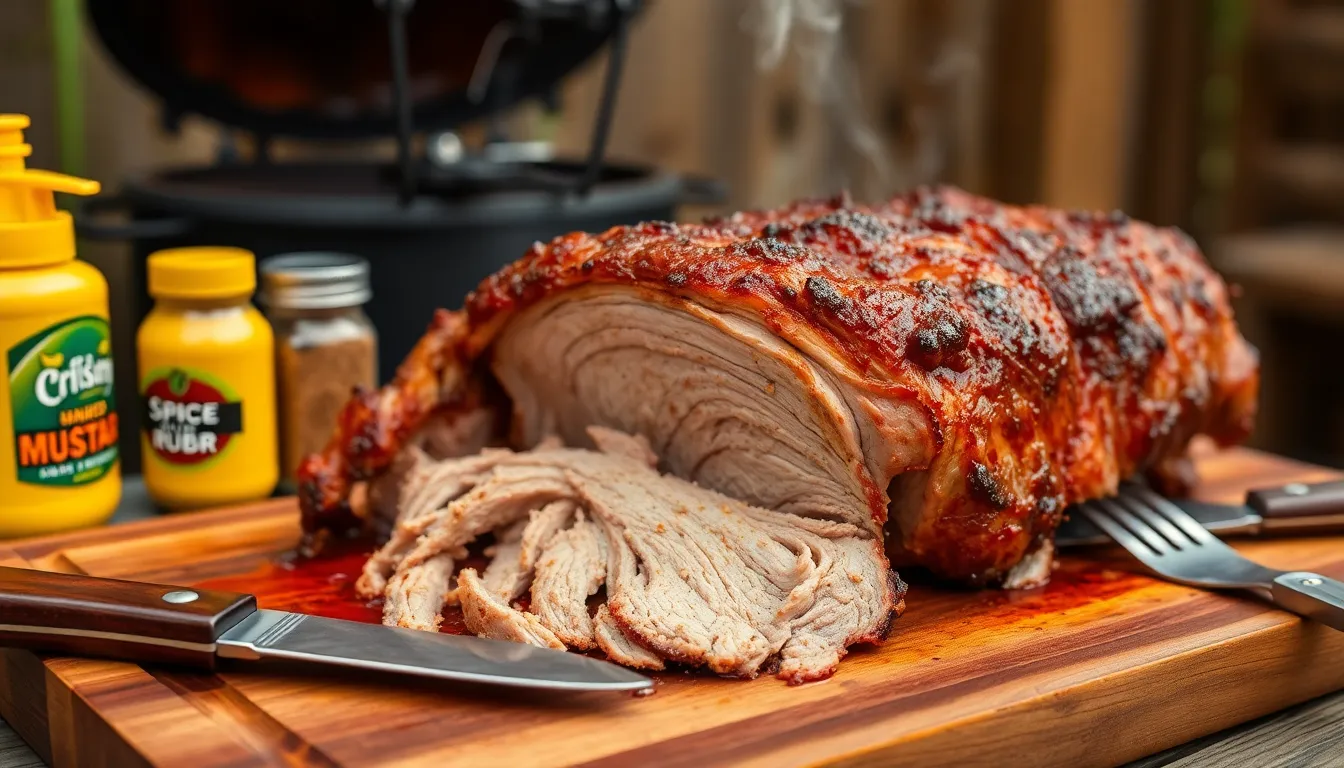
Have you ever savored that melt-in-your-mouth, perfectly smoky, and impossibly juicy pulled pork from your favorite BBQ joint and wondered, "How do they do it?" The secret isn't just in the smoke; it's in the consistency. Achieving that same deliciousness, time after time, is the hallmark of a true pitmaster. For many, mastering smoked pulled pork becomes an ultimate backyard BBQ goal – and for good reason.
Early in my own smoking journey, the consistent quality of local BBQ restaurants was a constant source of inspiration and, frankly, a challenge. I was determined to replicate their success, to produce pulled pork that wasn't just good, but consistently great. After countless hours, experimenting with different techniques, rubs, and temperatures, I've refined a process that delivers exceptional results every time. This comprehensive guide will walk you through each critical step, ensuring you can smoke it right and enjoy consistent, juicy pulled pork, worthy of any BBQ hall of fame.
The Foundation: Selecting Your Pork Shoulder
The journey to phenomenal smoked pulled pork begins long before the smoker even fires up, with the selection of your cut of meat. For pulled pork, we're talking about the pork shoulder, often referred to as a "Boston Butt" or simply "pork butt." Despite the name, it comes from the upper part of the pig's front leg, not the rear. This cut is ideal because it's rich in connective tissue and intramuscular fat, which, when cooked low and slow, renders down into gelatin, creating that signature tender, moist, and flavorful texture.
Bone-In vs. Boneless: A Crucial Choice
- Bone-In: This is generally the preferred choice for many pitmasters. The bone acts as a natural heat conductor, helping to cook the meat more evenly. More importantly, it adds a subtle layer of flavor and moisture as the marrow and other compounds slowly dissolve into the surrounding meat. It also serves as a fantastic indicator of doneness; once the bone wiggles freely, your pork is usually ready.
- Boneless: While bone-in is king, a boneless pork shoulder will still yield excellent results, especially if local availability is an issue. The key with a boneless cut is to tie it tightly with butcher's twine. This helps it maintain a more uniform shape during the long cook, preventing parts from drying out and ensuring it retains maximum moisture.
Size Matters: Finding the Sweet Spot
For most home cooks, a pork shoulder in the 6-8 pound range is ideal. This size is manageable for most smokers and provides plenty of meat for a family dinner with generous leftovers. A good rule of thumb for planning is to estimate about 1 pound of uncooked pork shoulder per person, which accounts for shrinkage during cooking and yields a comfortable serving size. Remember, leftover pulled pork is a gift!
Where to Source Your Prime Cut
Finding a quality pork shoulder is easier than you might think:
- Local Butcher or Farmers Market: Often the best option for fresh, high-quality meat. Butchers can usually accommodate specific requests and offer cuts with excellent marbling.
- Grocery Store: Most major supermarkets carry pork shoulders, especially those labeled "Boston Butt." Look for cuts with good marbling (streaks of fat throughout the muscle) and a healthy, pink color.
- Online Retailers: A convenient option for specialty meats or if you live in an area with limited local choices. Ensure you choose reputable suppliers.
Crafting the Perfect Bark: Rubs & Binders
The bark – that dark, flavorful, almost crust-like exterior that forms on a perfectly smoked pork shoulder – is a cornerstone of great smoked pulled pork. It’s a symphony of flavor and texture, achieved through the careful application of a rub and the magic of low-and-slow smoking. A critical component in forming this bark is the rub, a blend of spices and herbs that seasons, tenderizes, and enhances the meat's natural flavors.
The Power of the Rub
A well-crafted rub does more than just add flavor to the surface. It interacts with the meat during the long cooking process, helping to break down proteins and contribute to the tenderness. Sugars in the rub caramelize, creating a delicious crust, while salts draw out moisture and then reabsorb with the spices, infusing flavor deep into the meat. For an extraordinary bark, a good rub is non-negotiable.
DIY Rub Options for Pulled Pork:
While many commercial rubs are excellent, creating your own allows for customization. Here are a couple of classic ratios:
- Simple Yet Effective: A 1:1 ratio of kosher salt and fresh ground black pepper. This classic "Dalmatian rub" highlights the natural pork flavor and the smoke.
- Sweet & Savory: A versatile blend using a 2:1:1:1 ratio of brown sugar, paprika, kosher salt, and fresh ground black pepper. The brown sugar helps create a beautiful, caramelized bark, while paprika adds color and a mild pepper note. Feel free to add garlic powder, onion powder, or a touch of cayenne for a kick.
Experimentation is encouraged! What you're aiming for is a balance that complements, rather than overpowers, the pork.
The Role of a Binding Agent
A binding agent is applied to the meat's surface just before the rub, serving as an adhesive to help the spices stick uniformly. This ensures even coverage and promotes a more consistent bark formation. There's a wide debate among BBQ enthusiasts about the necessity and type of binder, but its value in achieving a perfect bark is undeniable.
Popular Binding Agents:
- Mustard (Yellow or Dijon): A classic choice. The vinegar in mustard doesn't significantly impact the final flavor but provides excellent adhesion.
- Olive Oil or Avocado Oil: My personal preference has gravitated towards oils, especially a garlic-infused olive oil or avocado oil. They offer superb adhesion and can add a subtle flavor profile without being overpowering. Avocado oil's high smoke point is also a bonus.
- Just Moisture: Some argue that the natural moisture on the pork shoulder's surface is enough. While it can work, a binder typically ensures a more robust and even coating.
Applying Your Rub Like a Pro
- Trim Excess Fat: Before applying anything, gently trim off any excessively thick, hard fat caps that won't render down during the cook. However, don't go overboard; leave a good amount of the softer fat on the meat, as it's crucial for keeping your smoked pulled pork juicy and full of flavor.
- Apply the Binder: Pour a small amount of your chosen binding agent onto the pork shoulder. Using your hands, generously rub it over every surface of the meat – top, bottom, and sides.
- Generously Season: Now, evenly sprinkle your rub over the entire surface of the pork. Don't be shy; you want a thorough, visible coating. Pat it gently rather than rubbing vigorously. Once one side is covered, flip the meat and repeat the binder and rub application until the entire shoulder is coated.
- Let it Set: For best results, allow the seasoned pork shoulder to sit for at least 30 minutes at room temperature before placing it in the smoker. Some pitmasters even prefer to let it rest in the refrigerator overnight, allowing the rub to penetrate deeper.
Mastering the Smoke: Temperature & Technique
With your pork shoulder prepped and seasoned, it’s time to introduce it to the magic of smoke. The phrase "low and slow" is never more relevant than when making smoked pulled pork. This patient approach is what transforms a tough cut of meat into a tender, flavorful masterpiece.
Optimal Smoker Temperature: Finding Your Zone
The ideal temperature for smoking pork shoulder generally falls between 225°F and 250°F. Both temperatures have their merits:
- 225°F: This is the classic "low and slow" temperature. It allows for maximum smoke penetration, a more gradual rendering of fat and collagen, and generally results in a moister product. The trade-off is a longer cooking time.
- 250°F: This slightly higher temperature will cook the pork shoulder a bit faster, which can be advantageous on a tight schedule. While you might sacrifice a marginal amount of moisture compared to 225°F, it still produces excellent results and often a fantastic bark.
Choose the temperature that best suits your schedule and smoker's performance. Consistency in temperature is more important than hitting an exact number.
Wood Selection: Flavor Enhancers
The type of wood you use significantly impacts the final flavor profile of your smoked pulled pork. For pork, popular choices include:
- Hickory: A classic for BBQ, offering a strong, smoky, bacon-like flavor.
- Apple & Cherry: Milder fruit woods that impart a sweet, delicate smoke, often resulting in a beautiful reddish hue on the bark.
- Pecan: A nutty, subtle flavor that’s slightly milder than hickory but more robust than fruit woods.
Feel free to experiment with combinations to find your favorite. Avoid mesquite for pulled pork, as its intense flavor can easily overpower the meat.
Navigating the Stall and The Texas Crutch
During the long smoking process, you'll inevitably encounter "the stall." This is a period, usually when the internal temperature of the meat reaches around 150-165°F, where the temperature plateaus and can even drop for several hours. It happens due to evaporative cooling (the "sweating" of the meat). Don't panic!
To push through the stall and retain moisture, many pitmasters employ the "Texas Crutch." This involves wrapping the pork shoulder tightly in heavy-duty aluminum foil or butcher paper once it hits the stall. This traps moisture and helps the temperature rise more quickly. You can also add a splash of apple cider vinegar or apple juice to the wrap for extra moisture and flavor.
The Final Temperature: The Key to Tenderness
Unlike other cuts of meat, pulled pork isn't about hitting a specific "done" temperature for safety (which is lower, around 145°F). For fall-apart tenderness, you need to cook the pork shoulder until its internal temperature reaches between 200°F and 205°F. At this point, the collagen has fully broken down into gelatin, resulting in that incredibly tender texture. Use a reliable probe thermometer inserted into the thickest part of the meat (avoiding the bone if present) to monitor progress.
The Critical Rest: Don't Skip This Step!
Once your pork shoulder reaches its target temperature, resist the urge to immediately shred it. Remove it from the smoker (still wrapped, if you used the crutch) and let it rest on your counter, ideally in a cooler or wrapped in towels, for at least 1-2 hours. This resting period is crucial for redistributing the juices throughout the meat, resulting in a significantly moister and more flavorful product. Cutting into it too soon will cause those precious juices to run out, leaving you with dry pulled pork.
The Grand Finale: Shredding & Serving
After hours of patient smoking and a well-deserved rest, the moment of truth arrives. The aroma alone will be enough to tell you you've done something special.
Shredding with Ease
With the pork shoulder rested, unwrap it. If you used a bone-in cut, the bone should slide out effortlessly. Use two sturdy forks, bear claws, or even clean gloved hands to pull the meat apart. It should shred easily, requiring minimal effort. As you shred, discard any large pieces of unrendered fat or connective tissue. Don't forget to incorporate any rendered juices from the foil into the shredded pork; this adds immense flavor and moisture.
Sauce or No Sauce? Your Choice!
While some purists prefer their smoked pulled pork unadorned to appreciate the pure smoky flavor, a good BBQ sauce is often the perfect complement. You can toss the shredded pork with your favorite signature sauce, or serve it on the side, allowing guests to customize their experience.
Versatility on the Plate
One of the best things about smoked pulled pork is its incredible versatility. It's fantastic in:
- Sandwiches: Piled high on a bun with coleslaw.
- Tacos or Nachos: A flavorful protein addition.
- Salads: Adds a smoky, hearty element.
- Mac and Cheese: Stirred in for a gourmet twist.
- Leftovers: The possibilities are endless!
Achieving consistently delicious and juicy smoked pulled pork is a journey, but it’s an incredibly rewarding one. By carefully selecting your pork, mastering your rub and binder application, controlling your smoker temperature, and respecting the critical resting period, you'll unlock the secrets to pitmaster-quality BBQ in your own backyard. It's a testament to patience and technique, resulting in a dish that will impress friends and family every single time. So fire up that smoker, trust the process, and prepare to enjoy the fruits of your labor – the perfect pulled pork, made right.
